Starý muž, který se neumí smát, je trouba.
Richard Rohr
Kdo jsme?
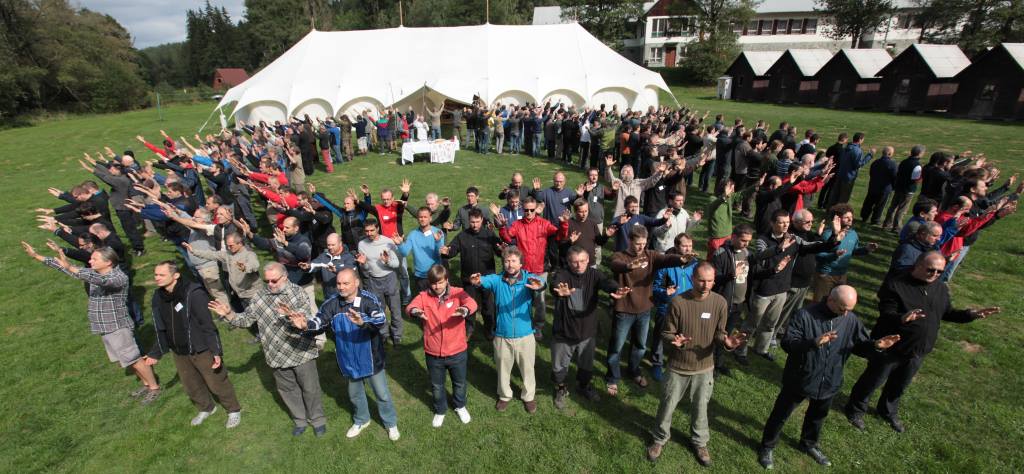
Tento web reprezentuje hnutí Chlapi, neformální společenství mužů, kteří hledají takové způsoby duchovního prožívání, se kterými se dokážou jako muži ztotožnit a celou bytostí je žít.
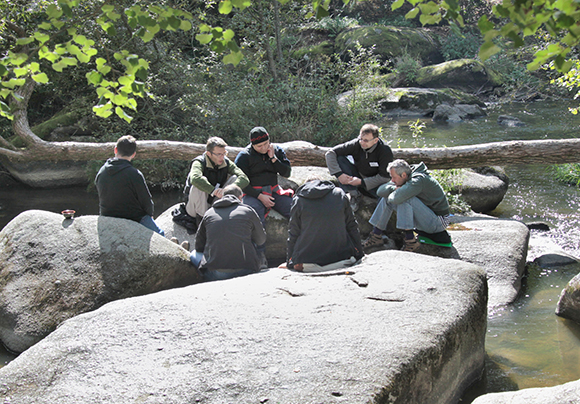
Můžeš se tady setkat s muži, kteří usilují o to být lepšími a více autentickými.
Vytváříme jak reálný tak virtuální prostor pro setkávání.
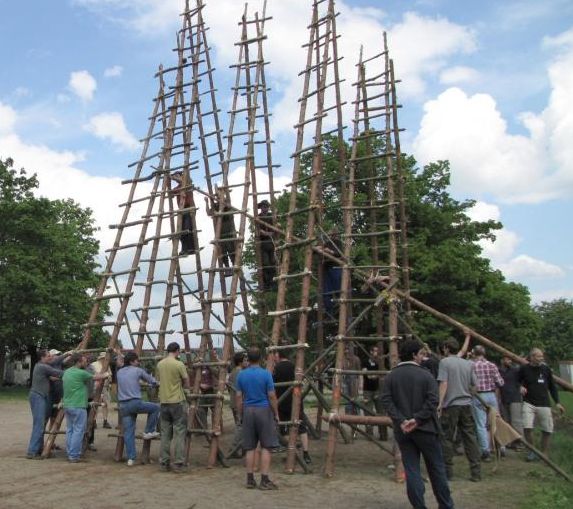
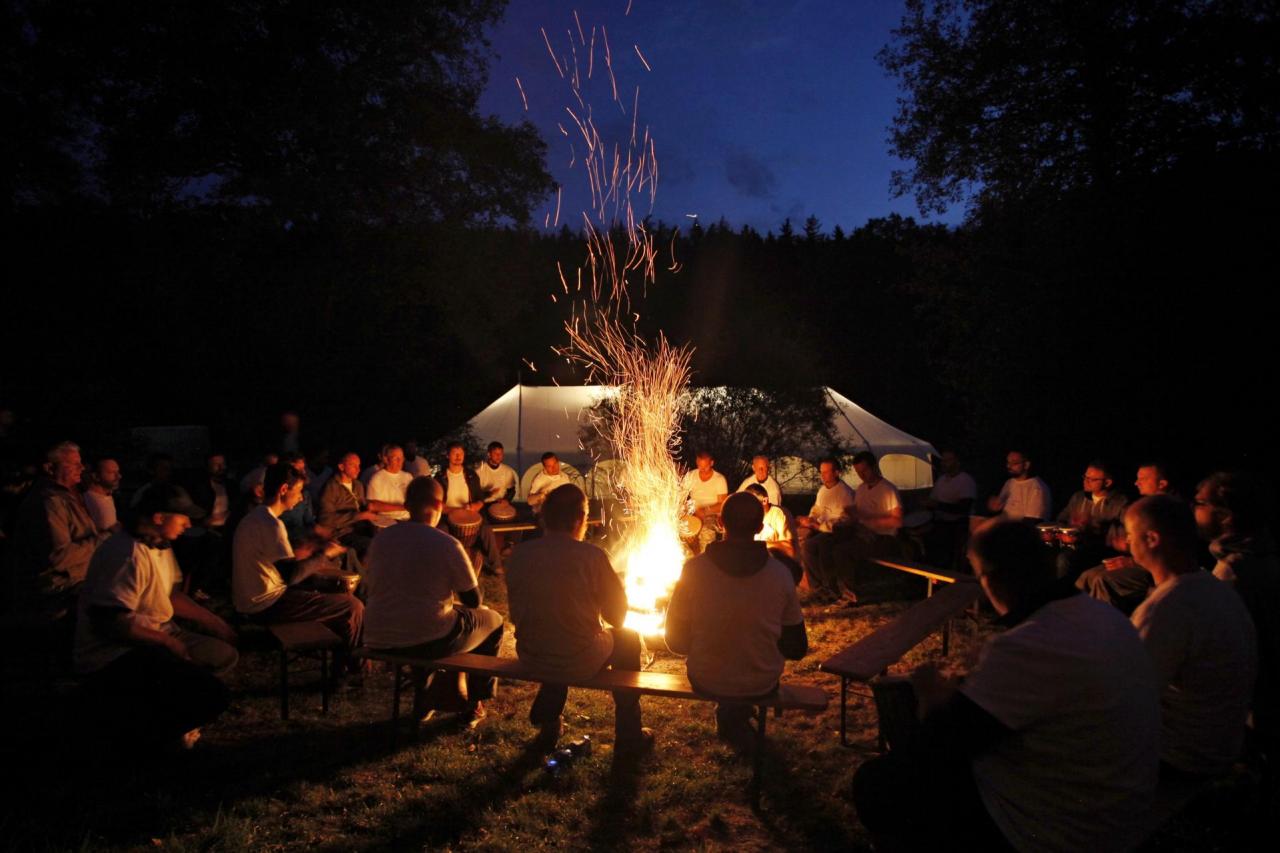
Začalo to někdy před rokem 2000 hledáním mužské energie, spirituality i chlapské party a setkáváním v malých skupinách. Pokračovalo to inspirací dílem Richarda Rohra a jeho Rituálem pro přechod do zralé dospělosti a pokračuje to dodnes stovkami setkání v malých skupinách, víkendovými akcemi pro muže i pro otce a děti, rituály i celostátními setkáními pro stovky účastníků a mezinárodní spoluprací s hnutím mužů po celém světě.
Pro řadu z nás je podstatné přátelství s Bohem, pro všechny jsou oporou kamarádi, které tu nalezli.
Vítáme tě mezi námi a těšíme se na společné putování.
Pavel Hrdina a Martin Šmídek
 Myšlenka Richarda Rohra na čtvrtek dvacátého druhého týdne v mezidobí - Gándhího růže Chcete-li cítit vůni křesťanství, musíte si vzít jako obraz růži. Růže k sobě neodolatelně přitahuje lidi a svou vůní je obdarovává. Vůně křesťanství je ale jemnější než vůně růže, a proto by měla být podávána ještě tišším, méně postřehnutelným způsobem. (Mahátma Gándhí) Gándhího růže je úžasný obraz. Tichá a …
Překlad meditace CAC ze čtvrtka 3. 9. 2026
na téma:
Jak se stát učedníky
| Plné utrpení, plné lásky Otec Richard považuje kříž za středobod Ježíšova života – plně lidského, plně božského – a za vyjádření naprosté solidarity s utrpením světa: Božská Mysl proměňuje veškeré lidské utrpení tím, že se zcela ztotožňuje s lidským údělem a stojí s ním v plné solidaritě od začátku do konce. To je skutečný význam ukřižování. Kříž není jen ojedinělou událostí. Je to Boží prohlášení, že realita má křížový vzor. Ježíš byl zabit v střetu protichůdných zájmů a polopravd, uvězněn mezi požadavky říše a náboženského establishmentu své doby. Kříž byl cenou, kterou Ježíš zaplatil za život ve „smíšeném“ světě, který je zároveň lidský i božský, současně rozbitý i naprosto celistvý. Tímto způsobem Ježíš ukázal, že realita není bezvýznamná a absurdní, i když není vždy dokonale logická nebo konzistentní. Realita je plná protikladů, což sv. Bonaventura a další (jako Alan z Lille a Mikuláš z Cusa) nazývali „souběhem protikladů“. Ježíš Kristus svým ukřižováním a vzkříšením „shrnul v sobě všechno, vše na nebi i na zemi“ (Efezským 1,10). Tento jediný verš je shrnutím františkánské christologie. Ježíš souhlasil, že ponese tajemství všeobecného utrpení. Dovolil, aby ho to změnilo (vzkříšení), a – jak doufáme – i nás. Kristus nás osvobozuje od nekonečného cyklu, kdy svou bolest promítáme na jiné nebo v ní zůstáváme uvězněni. To je plně vzkříšený život, jediná cesta k tomu, abychom byli šťastní, svobodní, milující, a tedy „spaseni“. V podstatě Ježíš říkal: „Jestliže tomu mohu důvěřovat já, můžete i vy.“ Jsme skutečně spaseni křížem – více, než si uvědomujeme. Lidé, kteří v sobě nesou tyto rozpory a řeší je, jsou spasiteli světa. Jsou jedinými skutečnými nositeli proměny, smíření a novosti. Křesťané jsou povoláni k tomu, aby byli viditelným projevem Božího soucitu na zemi. Tito „spasitelé“, kteří jsou nevyhnutelně také učedníky, existují v každé době a v každé náboženské tradici. Někdy existují dokonce i bez jakékoli „víry“, pouze s vědomým přesvědčením, že solidarita se vším živým je ve skutečnosti smyslem života. Ať už z jakéhokoli důvodu, tito lidé souhlasí s tím, že budou sdílet Boží osud pro život dnešního světa. Cítí se povoláni a souhlasí s tím, že se nebudou vyhýbat stinné stránce věcí ani odmítaným skupinám, ale naopak se přiblíží k bolesti světa a dovolí jí, aby radikálně změnila jejich pohled na svět. Souhlasí s tím, že přijmou nedokonalost a dokonce i nespravedlnosti našeho světa, a umožní těmto situacím, aby je změnily zevnitř ven, což je ostatně jediný způsob, jak se věci mění. Evangelium je prostě moudrostí těch, kteří souhlasí s tím, že ponesou svůj podíl na nekonečném utrpení Boha. Je třeba si uvědomit, že mnoho nekřesťanů toto povolání plně přijímá s větší svobodou než mnoho křesťanů. přeloženo DeepL | Full of Suffering, Full of Love
Father Richard considers the cross as the center of Jesus’s life—fully human, fully divine—and expressing total solidarity with the pain of the world: The Divine Mind transforms all human suffering by identifying completely with the human predicament and standing in full solidarity with it from beginning to end. This is the real meaning of the crucifixion. The cross is not just a singular event. It’s a statement from God that reality has a cruciform pattern. Jesus was killed in a collision of conflicting interests and half-truths, caught between the demands of an empire and the religious establishment of his day. The cross was the price Jesus paid for living in a “mixed” world, which is both human and divine, simultaneously broken and utterly whole. In so doing, Jesus demonstrated that Reality is not meaningless and absurd, even if it isn’t always perfectly logical or consistent. Reality is filled with contradictions, what St. Bonaventure and others (such as Alan of Lille and Nicholas of Cusa) called the “coincidence of opposites.” Jesus the Christ, in his crucifixion and resurrection, “recapitulated all things in himself, everything in heaven and everything on earth” (Ephesians 1:10). This one verse is the summary of Franciscan Christology. Jesus agreed to carry the mystery of universal suffering. He allowed it to change him (resurrection) and—it is to be hoped—us, too. Christ frees us from the endless cycle of projecting our pain elsewhere or remaining trapped inside of it. This is the fully resurrected life, the only way to be happy, free, loving, and therefore “saved.” In effect, Jesus was saying, “If I can trust it, you can too.” We are indeed saved by the cross—more than we realize. The people who hold the contradictions and resolve them in themselves are the saviors of the world. They are the only real agents of transformation, reconciliation, and newness. Christians are called to be the visible compassion of God on earth. These “saviors,” who are inevitably also disciples, exist in every period of time and in every faith tradition. At times they exist even with no “faith” at all, beyond a consciously held belief that solidarity with all of life is, in fact, the meaning of life. For whatever reason, such people agree to share the fate of God for the life of the world now. These people feel called and agree to not hide from the shadow side of things or the rejected group, but in fact draw close to the pain of the world and allow it to radically change their perspective. They agree to embrace the imperfection and even the injustices of our world, allowing these situations to change them from the inside out, which is the only way things are changed anyway. The gospel is simply the wisdom of those who agree to carry their part of the infinite suffering of God. It must be recognized that many non-Christians fully accept this vocation with greater freedom than many Christians. |
Adapted from Richard Rohr, The Universal Christ: How a Forgotten Reality Can Change Everything We See, Hope for, and Believe [https://store.cac.org/products/the-universal-christ?utm_source=DM&utm_medium=Reference&utm_campaign=DM+Bookstore] (Convergent Books, 2021), 147–148.
Zde se nacházejí překlady Daily Meditations, jejichž anglické originály se nacházejí na webu CAC. V den jejich vydání je zde nalezneš přeložené strojově pomocí DeepL, zpravidla do druhého dne pak projdou jazykovou úpravou někým z týmu překladatelů :-) Pokud vládneš dobrou angličtinou, přihlas se asi raději přímo u zdroje těchto úvah, tedy na webu CAC. Budeš je pak do své mailové schránky dostávat již k ranní kávě. -mš-